
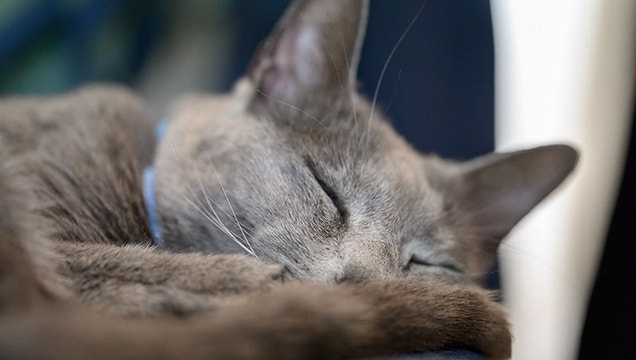
Why Do Cats Sleep So Much?
Although your domestic diva may not look much like a predator snoozing on the ledge from morning to night, cats have natural hunting instincts that require long bouts of shut-eye, anywhere from 12 to 16 hours a day.
These hours of sleep help their bodies conserve energy so they can hunt, pounce, and play once they wake up. Yes, even indoor cats who don’t chase mice or climb trees!
In this guide, we explain why cats sleep so much, what affects their sleep patterns, and when the extra shuteye could signal that something’s wrong.
Key Takeaways
- Most cats sleep 12 to 16 hours daily, while kittens and seniors may sleep up to 20 hours a day.
- The majority of cats’ sleeping time is light sleep, with about 25% being very deep sleep.
- When cats sleep, they conserve energy for hunting. Sleep also supports their muscle repair, digestion, and brain function.
- Cats are crepuscular, meaning they’re most active at dawn and dusk.
- If you notice sudden changes in your cat’s sleep patterns, combined with other symptoms, it’s a good idea to visit your veterinarian.
How Many Hours Do Cats Sleep?
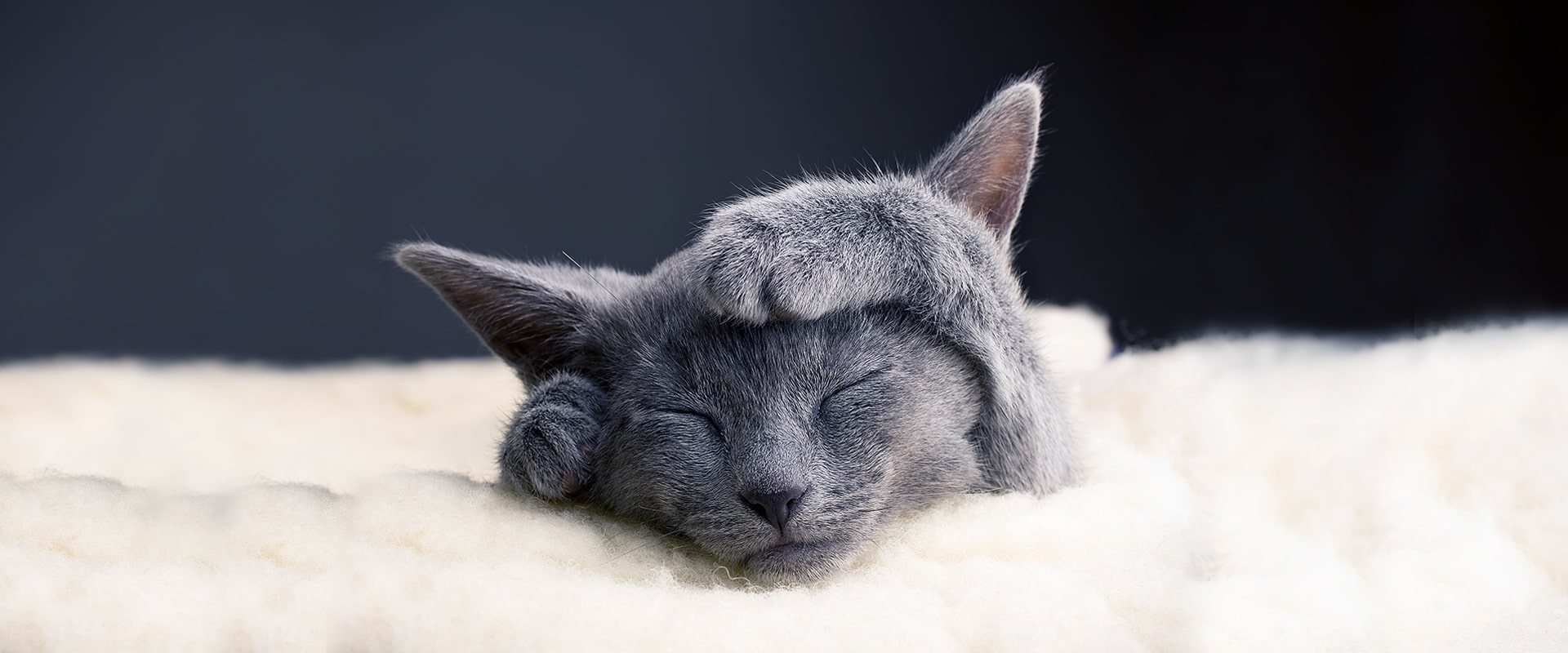
Adult cats generally sleep an average of 12 to 16 hours a day. Kittens and senior kitties get even more shut-eye, up to 20 hours. Instead of sleeping one long stretch, however, cats sleep for a short time (have a cat nap!) and then wake up to play.
Of course, not all kitties are the same. Breed, diet, environment, and activity level will affect your cat’s sleeping patterns. For instance, indoor cats sleep more than their outdoor pals, thanks to the fact that houses tend to be more predictable and less stimulating than the great outdoors.
Table of Contents
Why Do Cats Sleep So Much?
There are lots of reasons your kitty gets so much shut-eye. Let’s take a look.
Energy Conservation
If you want to know why cats sleep so much, you’ll have to blame their wild ancestors. As natural hunters, cats had to store enough energy to stalk, run, and pounce on their prey if they wanted a full tummy at dinnertime.
Today, even well-fed house cats keep to this instinctual pattern. By sleeping so much, your kitty can revive between active periods, even when it’s less rabbit chasing and more laser following.
Their Crepuscular Nature
Kitties also sleep a lot because it’s in their nature. Cats are crepuscular, meaning they’re most active during twilight hours when, not coincidentally, prey animals are active.
Boredom
Another reason your kitty is snoozing might be because they’re bored. Inside, there’s not nearly the stimulation of the great outdoors, so they may spend inordinate amounts of time grooming, vocalizing, and even scratching the arms of the couch.
Physical Restoration
Another reason for all that sleep is that when your kitty rests, their body is doing all sorts of restorative things. Muscles are being repaired, their digestive and immune systems are restored, and growth hormones are released (especially in kittens).
Illness or Pain
One thing to be aware of: If your kitty is sleeping excessively (more than they usually do), it could be because they’re in pain or are suffering some sort of illness.
Like humans, their body conserves energy to heal. Some common conditions that are linked to extra sleep include arthritis, infections, diabetes, kidney disease, and cancer.
Cat Sleep Patterns by Age
At different stages of your cat’s life, their routine and sleeping pattern will change. For instance, kittens and seniors sleep the most, while adult cats tend to clock fewer hours a day. Your cat’s breed, activity level, and health can also affect their sleep needs.
Life Stage | Age Range | Average Sleep | Notes |
Kitten | 0 to 6 months | Up to 20 hours | Sleep supports rapid growth and brain development |
Adult | 2 to 10 years | 12 to 16 hours | More predictable schedule tied to household routine |
Senior | 10+ years | 16 to 20 hours | Decreased mobility and energy increase rest time |
When to See a Veterinarian
If your cat is suddenly sleeping a lot more or less than usual and you notice other symptoms, talk to your veterinarian. Some symptoms to look out for include:
- Lethargy coupled with weight loss or loss of appetite
- Breathing troubles
- Vomiting or diarrhea
- Limping or other signs of pain, like an inability to move or increased vocalization
- Disorientation and restlessness, especially in senior cats
Keep in mind that the AVMA recommends getting your cat a wellness exam at least once a year. Senior cats should have a checkup twice a year to catch changes early.
How Cats Cycle Through Sleep

Cats cycle through two stages of sleep: dozing and REM sleep. Let’s take a look at each.
Dozing (Light Sleep)
For most of their sleep, roughly 75%, your kitty is simply dozing, still alert to the sounds and movements around them.
While they rest, their ears might twitch, and their eyes might even still be partially open. In this state, your kitty can wake up in a flash if needed.
REM (Deep Sleep)
For the remaining 25% of the time they’re sleeping, your cat is getting their REM or Deep Sleep. This stage of sleep only lasts about 5 to 7 minutes at a time. During their REM sleep, your kitty is fully relaxed and might even be dreaming (watch for whisker twitches!).
This is a very important phase of their sleep cycle because it supports memory consolidation and physical recovery.
How to Support Healthy Sleep
As a pet parent, you want to help your feline friend get a good night’s (and day’s!) sleep. Here are a few things you can do to support them.
Create a Comfortable Sleep Environment
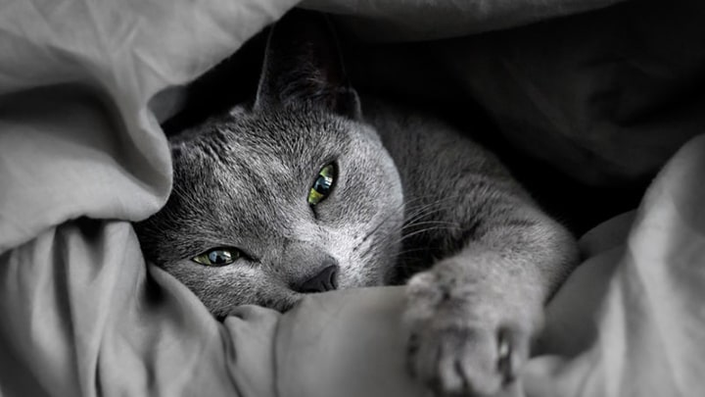
First, you’ll want to make sure there are plenty of cozy, quiet spots where your cat can curl up, away from household traffic.
Give them a few spots to choose from, like elevated perches and protective hideaways. You can even add a warm blanket for comfort. And be sure to keep your kitty’s sleeping spots consistent so your cat feels secure.
Encourage Daytime Activity
Make a habit of playing with your kitty first thing in the morning and again in the evening. Some tried-and-true toys include wands, feathers, and laser pointers. Cats love to practice their hunting instinct with these!
Keep things fresh by rotating toys frequently.
Maintain a Predictable Routine
When it comes to mealtime, it’s good to keep things predictable. That means breakfast and dinner are fed at the same time every day, ideally aligned with dawn and dusk, your kitty’s naturally active periods.
Premium Nutrition for Rest and Play with SHEBA®
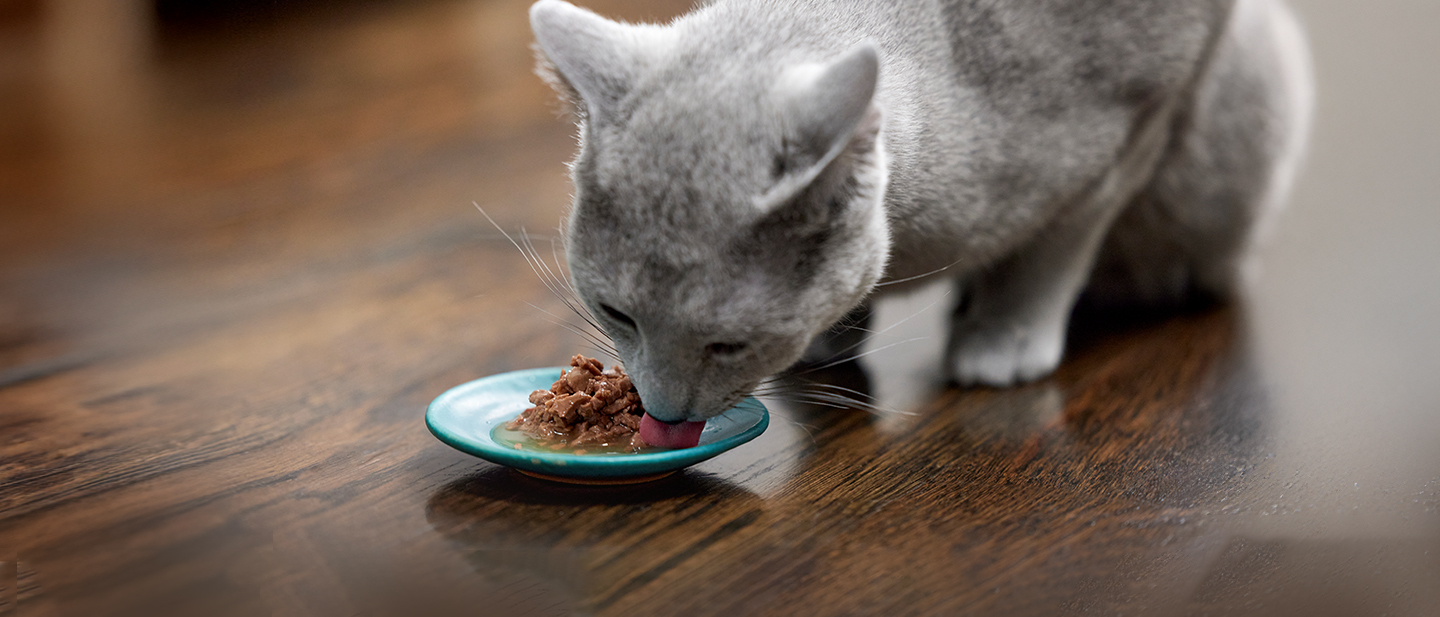
Now that you know your kitty’s sleep is all about keeping the natural rhythm of their predatory ancestors, it’s time to make the most of your feline friend’s waking hours.
For mealtime, nourish them with SHEBA® Perfect Portions™, a perfectly sized fresh, gourmet meal made with real meat or fish as the first ingredient. The high moisture content supports hydration, and the complete and balanced nutrition fuels active play and restful recovery.
Trust the SHEBA® Brand when it comes to feeding your kitty companion. Bon appetit!
References
- https://vcahospitals.com/shop/articles/true-or-false-cats-are-nocturnal
- https://vcahospitals.com/know-your-pet/recognizing-signs-of-illness-in-cats
- https://www.avma.org/resources-tools/avma-policies/aaha-avma-feline-preventive-healthcare-guidelines
- https://www.pdsa.org.uk/what-we-do/blog/why-do-cats-sleep-so-much
- https://www.pethealthnetwork.com/cat-health/cat-behavior/why-does-my-cat-sleep-so-much
- https://catsinternational.org/sleeps-and-naps-feline-style/
- https://www.uk.sheba.com/blog/health/how-long-do-cats-sleep
- https://vcahospitals.com/shop/home/articles/cat-nap-weird-edition