

Why Do Cats Purr? Meanings, Reasons & What It Tells You
Cats purr for several reasons. Purring can signal anything from contentment or attention seeking to discomfort or stress. This guide will give you all the reasons cats purr and how to read their body language so you can interpret how your pet’s feeling and what they might need.
Key Takeaways
- Cats purr when they’re content, seeking attention or food, stressed, or uncomfortable. They might also purr to self-soothe.
- The best way to tell why your cat is purring is by watching their body language and behavior. For instance, a relaxed posture and slow blinks signal contentment, whereas a tense posture or tucked tail signals stress.
- Your cat may need medical attention if purring is combined with hiding, appetite loss, decreased water intake, or lethargy.
The Most Common Reasons Cats Purr
You probably think that if you hear your cat purring, they’re happy as can be. But, in fact, there are several more reasons you might catch your little kitty purring up a storm. Here are a few of the most common reasons cats purr.

Table of Contents
When They’re Happy or Content
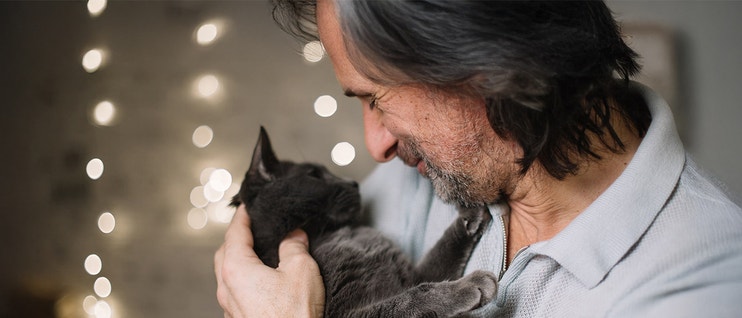
If your cat is resting on a windowsill or cuddling up to you, they’re probably purring because they’re happy. If that’s what’s going on, your kitty is likely using these little rumbles to strengthen the bond between the two of you.
To Communicate with People
Cats often purr to say hello. On top of that, they might use this cute sound to get your attention.
Their purr may translate to “let’s cuddle,” for instance. Or, if your cat is hungry, they might even employ what’s called “a distinct solicitation purr,” which is more forceful than the regular purr (a.k.a. “Feed me now!”).
To Self-Soothe
You may be surprised to hear your kitty purr during stressful times, such as vet visits, travel, or after a sudden loud noise. In this case, instead of being content, your cat may be trying to self-soothe.
Cats also sometimes purr when they’re uncomfortable. This might be because they’ve exerted themselves too much or they’re overstimulated.
For Relaxation or Recovery
Purrs can be associated with relaxation and restorative behaviors, thanks to the fact that the vibrations make them calm. These “recovery purrs” often occur while cats are resting or after they’ve been active.
How Cats Purr
We’ve talked about why cats purr, but how does your little kitty make this adorable rumbling sound in the first place?
It all begins when signals in their brain stimulate their voice box muscles, causing them to vibrate. Then, when your cat breathes, the air passing in and out creates the rhythmic sound of a purr.
Your cat’s purr is natural and automatic, and can even be continuous. Hearing that sweet sound is definitely one of the joys of being a cat parent.
How to Tell What Your Cat’s Purring Means

Now that you know the different reasons cats purr, how do you figure out which one of these things your kitty is experiencing? The best way is to look at the situation at hand and consider your cat’s body language and behavior.
Body Language
They say that body language is somewhere between 55% and 93% of human communication. For your kitty, it’s no different. If your cat has a relaxed posture, calm eyes, and slow blinks while they’re purring, for instance, they’re probably content.
Behavior Patterns
Your cat’s behavior while purring can also give you a better idea about how they’re feeling. For instance, if they’re purring while kneading or cuddling, they’re trying to bond with you. Or, if they’re purring next to the food bowl, they’re trying to grab your attention…and their dinner!
Here’s a chart to help you decipher your cat’s purrs:
Situation | What the Purring Usually Means |
Resting or napping beside you | Comfort, trust, contentment |
Kneading or being gently petted | Bonding, relaxation, affection |
Approaching you with tail up | Greeting, attention-seeking |
Mealtime or near food bowl | Solicitation purr, anticipation |
Vet visit, travel, or new environment | Stress relief, self-soothing |
After vigorous play or activity | Recovery, calming down |
When unwell or hiding | Possible discomfort; observe closely |
When Purring Might Signal Something Else
Signs Your Cat Is Stressed
To determine if it’s a stress-related purr, consider when your cat started purring. Did you just take them on a trip, or has something changed at home? Cats aren’t crazy about unexpected change, so this may be at the root of their stress purrs.
As we mentioned earlier, you also want to check their body language. If your cat has a stiff posture, tense muscles, dilated pupils, a tucked tail, wide eyes, or flattened ears, then they’re probably upset or stressed. Other cues include actively hiding, slinking around the room, or a swishing tail.
Signs Your Cat Is Uncomfortable
If discomfort is the reason your cat’s purring, you may notice that while they’re purring, they’re also withdrawing from you, actively hiding, or avoiding interaction. They might have less of an appetite, decreased water intake, seem lethargic, or exhibit unusual behavior patterns.
Additionally, increased vocalization can indicate that your cat is uncomfortable. If you notice any of these signs, you should talk to your veterinarian so they can help you figure out what’s going on so you can make your kitty comfy again.

Make Mealtime Another Reason Your Cat Purrs!

Purring is often your cat’s way of telling you they feel safe, content, and completely in their element. Let mealtime bring on those purrs! By offering food with tempting textures, rich flavors, and satisfying portions, you can turn everyday feeding into a moment of zen for your cat.
Explore SHEBA® Wet Food to find recipes that match your cat’s tastes and support those soft, relaxed purrs they reserve for their favorite moments!
References
- https://pubs.aip.org/asa/jasa/article/110/5_Supplement/2666/550913/The-felid-purr-A-healing-mechanism
- https://www.aaha.org/resources/the-secret-feline-language-5-reasons-why-your-cat-purrs/
- https://www.researchgate.net/publication/272259095_The_felid_purr_A_healing_mechanism
- https://www.24petwatch.com/blog/why-do-cats-purr
- https://www.aspca.org/pet-care/cat-care/common-cat-behavior-issues/meowing-and-yowling
- https://www.livescience.com/animals/cats/why-do-cats-purr
- https://www.vet.cornell.edu/departments-centers-and-institutes/cornell-feline-health-center/health-information
Frequently Asked Questions (FAQs)
More Articles Like This
12 Ways to Celebrate Your Cat's Birthday or Gotcha Day
Cat parents don’t hesitate to celebrate their divine feline, whether it’s a special occasion or not. However, few reasons are more purr-fect for partying than birthdays and gotcha days (e.g., their adoption day, first day home with you, day they were found as a stray, etc.).
EXPLORE
9 Weird Eating Habits In Cats — And What To Do About Them
Every person with a cat has experienced this moment: Your cat lets you know it’s time to eat, and they stroll to their typical dining spot and wait to be served. You happily oblige, yet you’re a bit nervous as you anxiously watch your cat, hoping for their approval.
EXPLORE
A Guide To The Premium Ingredients In Sheba® Cat Food
It goes without saying that your cat wants only the best ingredients in their wet food in juuuuust the right amounts. Delicious. Nutritious. More, please. Cats can’t read labels, but you can. Let’s peruse the main ingredients we’ve stocked in the SHEBA® brand pantry — and learn why you should offer them to your cat.
EXPLORE
Kitten Training: 20 Tips for Training Your New Cat
Congratulations on your new kitten! Bringing a furry friend into your home is an exciting and joyous experience. But along with all the fun and cuddles comes the responsibility of kitten training. This guide shares 20 tips for kitten training to help your new pet grow into a well-behaved and happy feline. But before we dive into those tips, let’s answer a burning question.
EXPLORE