

Why Is My Cat Always Hungry? 4 Common Causes and What To Do
If your feline friend is constantly begging for another meal and always seems hungry, they may be bored and need a little excitement, or maybe they’re missing some key nutrients in their current food.
Age can also play a role in why your cat’s always hungry. As cats age, their bodies might have trouble absorbing the vitamins, minerals, and nutrients they need to stay healthy.
Thankfully, many of these issues can be addressed with a few simple lifestyle changes! We discuss those changes in this guide and examine the most common causes of your cat’s constant hunger.
Note: While we offer these insights for your information, always consult a veterinarian for a professional diagnosis, especially if your cat shows signs of illness or a significant change in appetite.
Key Takeaways
- Cats may seem constantly hungry for a number of reasons, including boredom, a poor diet, aging, or an underlying medical condition.
- Boredom and learned begging habits can mimic true hunger, especially in indoor cats with limited stimulation.
- A low-quality diet lacking adequate protein or nutrients can leave cats feeling unsatisfied.
- Senior cats may experience increased appetite due to metabolism changes or reduced nutrient absorption.
- Conditions like hyperthyroidism, diabetes, intestinal parasites, or cancer can cause persistent hunger and require veterinary attention.
- Contact your veterinarian if your cat is losing weight despite eating more, drinking more than usual, vomiting, or showing signs of lethargy.
Table of Contents
Common Causes of Constant Hunger in Cats
1) Boredom and Behavioral Causes
Boredom Eating
For the sophisticated indoor cat, a quiet afternoon can sometimes lead to an unnecessary craving for a snack. Without the thrill of the hunt or new sights to explore, your cat may turn to their food bowl for entertainment.
This is similar to "emotional eating" and can quickly lead to unwanted weight gain. Keeping your cat’s mind and body engaged is just as important as satisfying their palate to ensure they stay elegant, agile, and healthy.
Learned Begging Behavior
Your cat is a master of communication (and getting what they want!). They quickly learn that a meow or a stare often results in a delicious reward. Even when their nutritional needs are perfectly met, a refined cat might act hungry just to enjoy your attention.
Recognizing this playful performance is the first step in maintaining a healthy diet for your kitty.
How to Address Behavioral Hunger
Addressing your cat’s behavioral hunger starts with a consistent feeding schedule and fewer treats. Rather than indulging every plea for a treat, offer engagement through interactive toys and puzzle feeders.
Create an enriching environment with perches and window views to provide the mental stimulation they crave. By replacing extra calories with quality playtime and interaction, you ensure your divine feline remains both satisfied and truly stimulated.
2) Poor Diet
Why Diet Matters
Your cat is an obligate carnivore, meaning they crave (and must have) high-quality animal protein to thrive. When their food is full of low-quality fillers, your cat may overeat trying to get the nutrients they need.
Without the right balance of calories and protein, even a full bowl can leave them feeling unsatisfied.
Signs of Nutritional Deficiency
Beyond persistent hunger, you might notice other signs of nutritional deficiency, including a dull or flaky coat that has lost its signature luster. Low energy and poor muscle tone are also subtle signs that your feline companion needs more nutritional support.
By paying close attention to these subtle changes, you can ensure that your cat maintains the radiant health and elegance they were born with.
How to Address Diet-Related Hunger
To satisfy your cat’s refined appetite, choose a complete and balanced diet that meets strict Association of American Feed Control Officials (AAFCO) standards, and always follow the feeding instructions on the cat food package.
For a more personalized nutrition plan, talk to your veterinarian about customizing your cat’s diet based on their weight and activity level.
Serving the right portions of premium ingredients ensures every meal is a moment of pure, nutritional bliss for your cat.
3) Aging
Why Senior Cats May Seem Hungrier
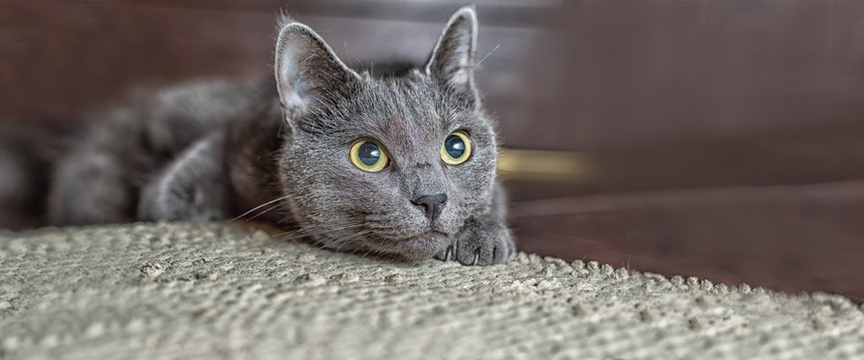
As your cat matures through their life stages and grows from a playful kitten to a curious adult to a distinguished senior, their digestion also changes.
A changing metabolism and a natural decline in muscle mass can leave older cats feeling hungrier than usual. They may also find it harder to absorb the nutrients from their food, or their once-sharp senses of taste and smell may start to dim.
When to Be Concerned and What to Do
While a healthy appetite is usually a sign of a happy cat, sudden changes in behavior warrant your attention.
If your senior cat is eating more than ever but still losing weight, it could be a sign that something is wrong. And, if you notice that they’re thirstier than usual or are experiencing a sudden bout (or bouts) of lethargy, talk to your veterinarian right away.
A professional can rule out conditions like hyperthyroidism or diabetes that often affect older felines. Switching to a senior-specific diet formulated for aging bodies can also provide the extra support they need to stay vibrant.
Keeping a close eye on their weight ensures your cat enjoys their golden years with dignity, comfort, and style.
4) Medical Conditions
Sometimes, a persistent appetite is a sign of a deeper health condition that requires a veterinarian’s expertise.
Hyperthyroidism can speed up a cat’s metabolism, causing them to lose weight despite eating plenty of food, and diabetes can leave their cells starving for energy (among other symptoms).
Other conditions, like intestinal parasites, can steal vital nutrients and lead to persistent hunger, a bloated belly, and a dull coat. In rarer cases, certain cancers can increase metabolic demands, leading to a higher-than-usual appetite.
When to Contact Your Veterinarian
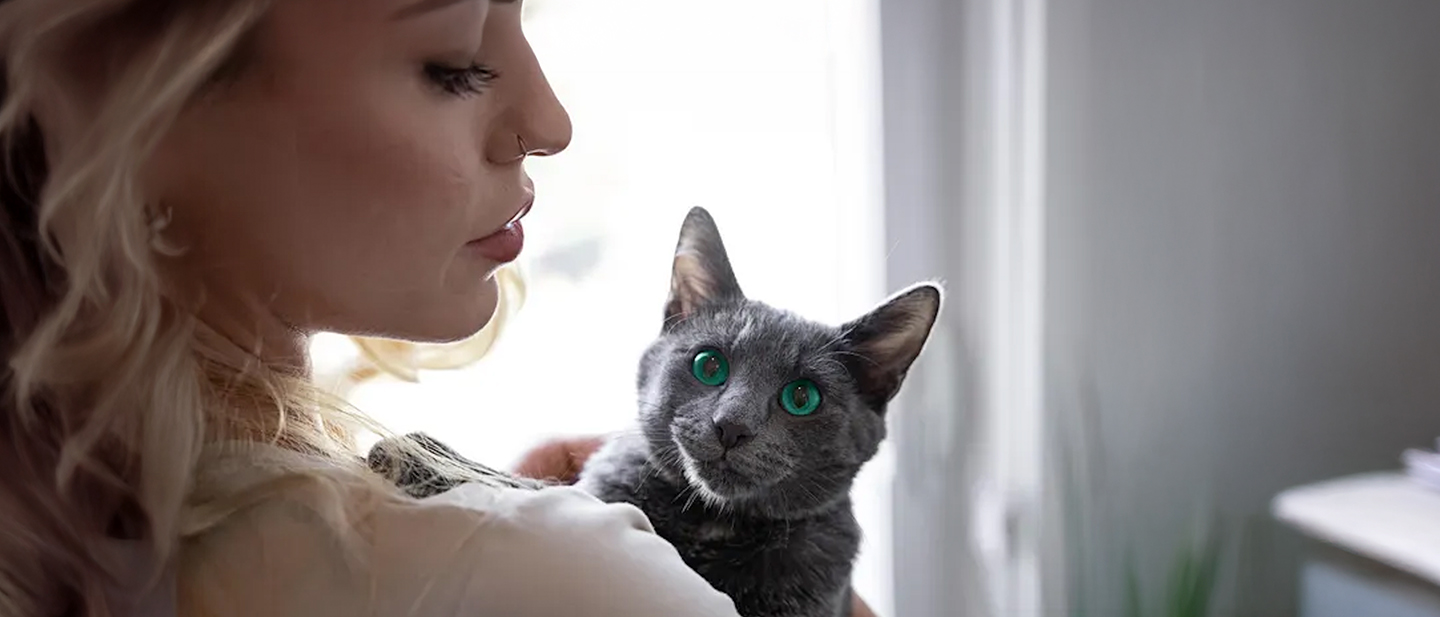
Your cat’s well-being is all about giving them complete and balanced nutrition and monitoring their body condition, activity level, and overall health.
Schedule a veterinary visit if your cat shows any of the following signs:
- Vomiting
- Diarrhea
- Changes in stool
- Lethargy or decreased activity
- Sudden changes in behavior or eating patterns
- Visible worms in stool or vomit
- Poor coat condition or hair loss.
Support Your Cat's Nutrition with SHEBA®
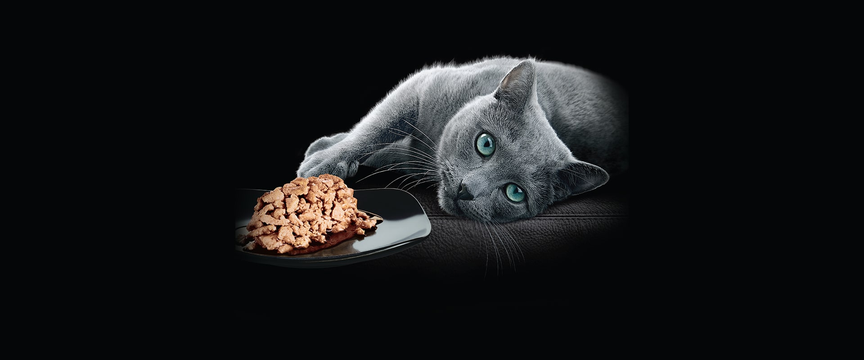
Your cat is a connoisseur of the finer things, and their satisfaction begins with a truly exquisite meal!
Choose a complete and balanced diet to honor your cat’s health and happiness. SHEBA® Wet Cat Food is made with real meat and fish, providing the high-quality protein your feline friend naturally craves.
Discerning pet parents choose SHEBA® food for its premium ingredients and the convenient PERFECT PORTIONS™ trays that ensure a fresh, perfectly sized serving every time. With a high moisture content to support hydration, every bite is a tribute to their well-being.
Or, if you’re looking for a quick snack between full meals to help your cat stay satisfied, try SHEBA® Selections Cat Meal Complements or Treats. Your cat will thank you!
Elevate your cat’s dining experience today by exploring our full collection of wet food.
Contributor
Dena Bley is a registered veterinary technician with 25 years of experience and Sr. Expert Advice Team member. She began her career as a researcher at P&G before joining the Pet Health and Wellness Team at Mars 2014. With deep roots in Ohio, Dena brings over a decade of research experience and a passion for animal care, complemented by her hands-on work with a variety of animals on her family’s small farm.
References
- https://www.vet.cornell.edu/departments-centers-and-institutes/cornell-felinehealth-center/health-information/feline-health-topics/hyperthyroidism-cats
- https://www.vet.cornell.edu/departments-centers-and-institutes/cornell-feline-health-center/health-information/feline-health-topics/feline-diabetes
- https://www.avma.org/resources-tools/pet-owners/petcare/diabetes-pets
- https://catvets.com/resource/diabetes-educational-toolkit/
- https://www.merckvetmanual.com/endocrine-system/the-pancreas/diabetes-mellitus-in-dogs-and-cats