

Can Cats Eat Tuna? Is It Safe or Dangerous?
Tuna is fine for adult cats to eat in small doses, but it shouldn’t be a staple in your cat’s diet because it doesn’t give them the complete and balanced nutrition they need. It lacks many essential nutrients, including taurine and vitamin E.
Feeding too much tuna to your cat can also result in dangerous mercury levels, which is why it should only (occasionally) be given to adult cats and never to kittens.
But cats love tuna, and you want to give your cat what they crave. SHEBA® Tuna recipes are a safer way to do just that. Crafted with complete nutrition in every serving, our variety of snacks and meals satisfies your hungry cat.
If you’re still wondering if cats can eat the tuna you might find on your plate, you’re in the right place. In this guide, we’ll talk about why tuna isn’t totally safe for cats, which kinds are better than others, correct portion sizes, and when it’s best to avoid tuna altogether.
Note: This guide is for general educational purposes only. For advice specific to your cat's health, diet, or nutritional needs, please consult your veterinarian or a registered pet nutritionist.
Key Takeaways
- Most adult cats (not kittens) can generally eat small amounts of tuna. It isn’t toxic for adult cats, but it should only be an occasional treat.
- The healthiest kind of tuna to feed your cat is plain tuna in water. Don’t give them tuna in brine or oil, with seasonings, or prepared raw.
- Tuna is high in mercury and lacks balanced nutrition for cats.
- Feed your cat only small amounts of tuna every once in a while to help reduce health risks.
- Tuna should never replace complete and balanced cat food.
Can Cats Eat Tuna?

Table of Contents
Cats love tuna! It draws them in with a strong aroma and tastes great. And while it does contain protein and omega-3 fatty acids (both important for your cat's health), it lacks several other critical nutrients.
And, as we mentioned above, tuna has high levels of mercury, so it’s only safe in small, infrequent amounts for adult cats, and it’s never safe for kittens.
Is Raw, Cooked, or Canned Tuna Best for Cats?
Cat foods made with tuna are your safest choice when it comes to feeding your cat tuna. They’re formulated as a balanced meal and are filled with added nutrients like taurine and vitamin E, which are important pieces of your cat’s health.
Cooked or canned tuna in water is safe for your cat in moderation, but steer clear of tuna packed in oil or brine. It’s high in fat and sodium and might give your cat a stomachache and other digestive issues.
Finally, never feed your cat raw tuna because it can carry bacteria, parasites, and high thiaminase enzyme levels (found in raw fish and shellfish and destroys thiamine, a vitamin necessary for your cat’s health).
Tuna Type | Safe for Cats? | Notes |
Raw tuna | Not recommended | Bacterial risk; thiaminase destroys vitamin B1 |
Cooked tuna (plain) | Yes, in moderation | Must be unseasoned; limit due to mercury |
Canned in water | Yes, in moderation | Choose no-salt-added; drain thoroughly |
Canned in oil/brine | Avoid | High fat and sodium; causes GI upset |
Cat-formulated tuna | Safest option | Nutritionally balanced for feline needs |
Note: This chart provides general guidance only. Your cat's individual needs may vary based on age, health status, and dietary sensitivities. Consult your veterinarian before making changes to your cat's diet.
How Much Tuna Can Cats Eat?
Limit tuna to about a teaspoonful once or twice a week. Tuna can be used as a supplement or treat, but not as a main component of your cat’s diet. To learn exactly how much tuna is OK for your unique cat, talk to your veterinarian.
Health Risks of Feeding Too Much Tuna
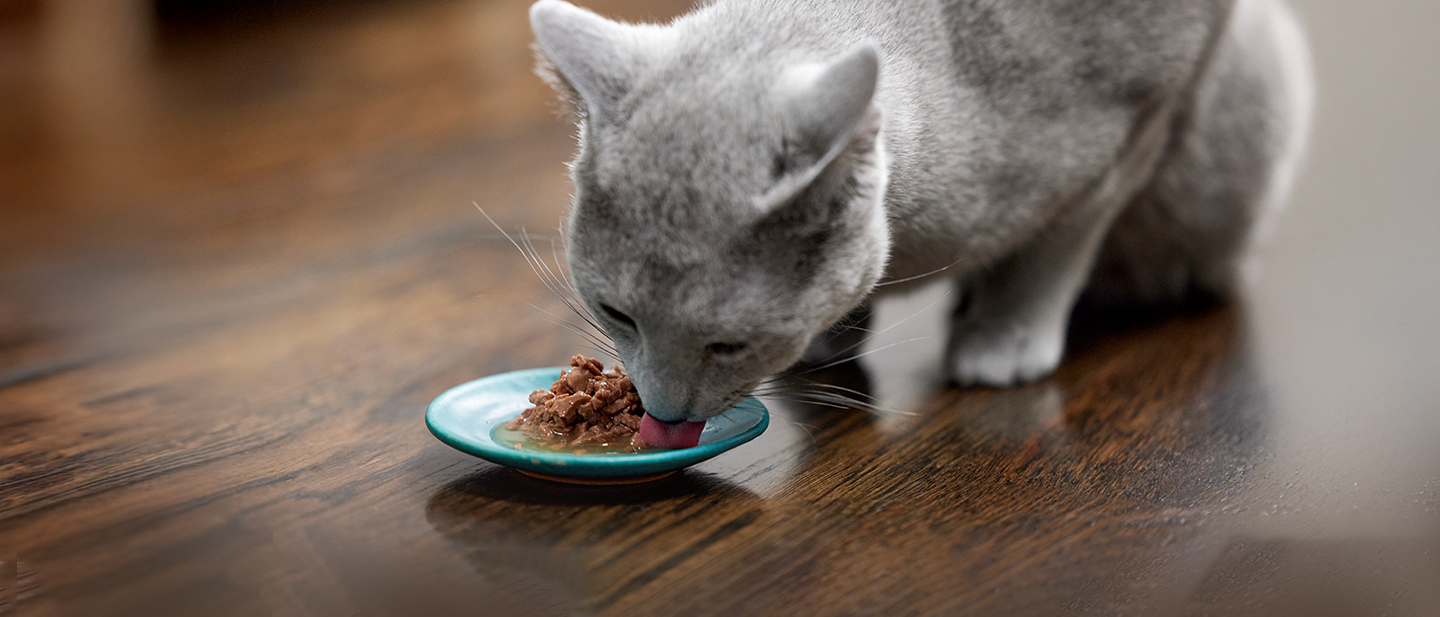
Let’s take a look in more detail at why feeding your cat too much tuna isn’t a good idea.
Mercury Toxicity
Because tuna fish are higher up on the food chain (eating small fish who have eaten smaller fish and so on), they can build up a dangerously high amount of methylmercury in their systems.
Albacore (or white) tuna contains the most mercury: nearly three times more than chunk tuna (also called skipjack). It averages 0.35 parts per million (ppm) mercury, while light tuna averages only 0.12 ppm.
While there is no universally agreed upon upper limit of mercury for cat food, keeping your cat’s levels low is important for their wellbeing. If they have too much mercury built up in their system, you may notice symptoms such as tremors, worsening vision, and loss of coordination.
Thiamine Deficiency
Thiamine is a critical part of your cat’s nervous system. Because raw fish contains thiaminase, an enzyme that destroys thiamine, feeding your cat too much tuna can lead to a deficiency.
Too little thiamine can result in neurological issues like seizures and a head tilt, as well as loss of appetite.
Nutritional Imbalances
Finally, feeding your cat only (or mostly) tuna means they won’t get enough taurine to support their vision, digestion, and heart muscle function. It can also keep them from getting the vitamin E needed to support their muscles and circulatory and immune systems.
Cats whose diet primarily consists of tuna are also susceptible to a yellow fat disease called steatitis, which causes a fever, painful fat tissue inflammation, and decreased motivation to move.
Signs of Tuna-Related Health Problems
If you’ve been feeding your cat tuna and you see any signs of the health problems we mentioned above, it's a good idea to contact your veterinarian right away. Here’s what to look for:
- Loss of coordination or an unsteady gait
- Tremors
- Vision problems
- Seizures
- Head tilt
- Dilated pupils
- Loss of appetite
- Painful lumps under your cat’s skin
- Fever
- Reluctance to move
- Dull coat
How to Safely Feed Your Cat Fish
How can you give your cat the fish flavors they love while still focusing on their health? You might consider feeding them sardines packed in unsalted water. They have a higher omega-3 count than tuna, and they’re lower in mercury. (That’s a win-win!)
Another great idea is to feed your cat food and treats that are formulated with fish, tested for safety, and offer balanced nutrition.
Satisfy Your Cat's Tuna Cravings with SHEBA® Cat Food
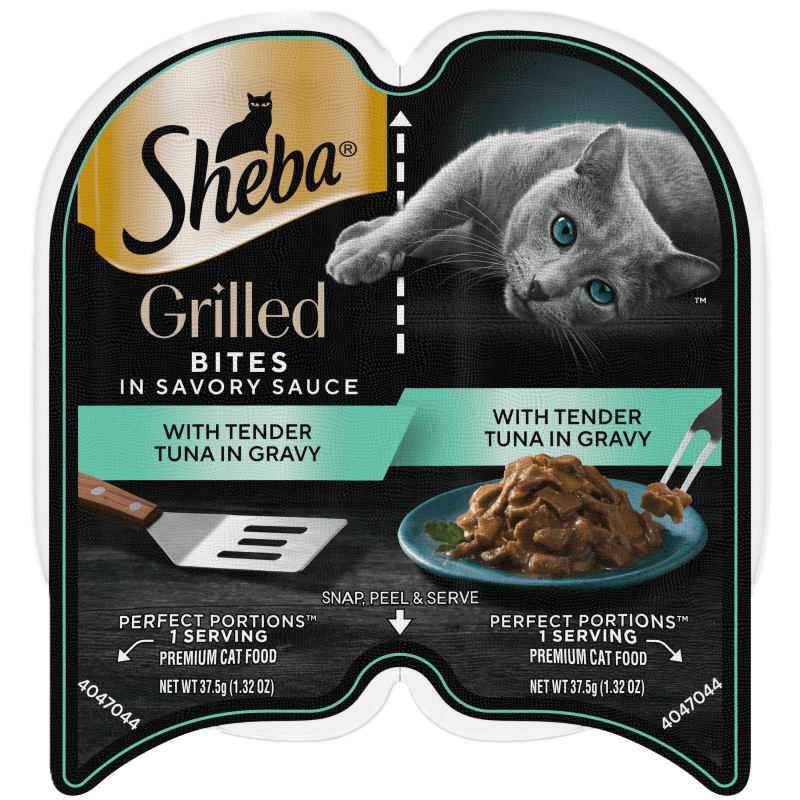
Cats are fish fanatics, and they especially love tuna! But feeding your cat too much tuna isn’t a good idea. It lacks all the nutrients your cat needs and can contain dangerous levels of mercury. What is a good idea? SHEBA® Premium Wet Cat Foods.
SHEBA® recipes are loaded with complete nutrition so you know your cat is fully nourished after a meal. And if your cat is crazy for tuna, SHEBA® recipes made with real tuna can satisfy their craving while giving you peace of mind.
Contributor
Jessica Gilliam is a veterinarian with more than 14 years of clinical experience, specializing in small animal medicine. She is passionate about surgery, dentistry, mentorship, and education. Jessica serves as the Community Chair for the Tennessee Market at Banfield and oversees Mars Petcare’s PetConnect chat, which offers free educational support for pet parents. In her free time, she enjoys hiking and baking.
References
Frequently Asked Questions
More Articles Like This

12 Ways to Celebrate Your Cat's Birthday or Gotcha Day
Cat parents don’t hesitate to celebrate their divine feline, whether it’s a special occasion or not. However, few reasons are more purr-fect for partying than birthdays and gotcha days (e.g., their adoption day, first day home with you, day they were found as a stray, etc.).
EXPLORE
9 Weird Eating Habits In Cats — And What To Do About Them
Every person with a cat has experienced this moment: Your cat lets you know it’s time to eat, and they stroll to their typical dining spot and wait to be served. You happily oblige, yet you’re a bit nervous as you anxiously watch your cat, hoping for their approval.
EXPLORE
A Guide To The Premium Ingredients In Sheba® Cat Food
It goes without saying that your cat wants only the best ingredients in their wet food in juuuuust the right amounts. Delicious. Nutritious. More, please. Cats can’t read labels, but you can. Let’s peruse the main ingredients we’ve stocked in the SHEBA® brand pantry — and learn why you should offer them to your cat.
EXPLORE
Kitten Training: 20 Tips for Training Your New Cat
Congratulations on your new kitten! Bringing a furry friend into your home is an exciting and joyous experience. But along with all the fun and cuddles comes the responsibility of kitten training. This guide shares 20 tips for kitten training to help your new pet grow into a well-behaved and happy feline. But before we dive into those tips, let’s answer a burning question.
EXPLORE