
Can Cats Eat Salmon? Is It Safe or Should You Avoid It?
Most cats can generally eat salmon as long as it’s cooked, deboned, and free of seasonings or additives. Which is great because they love it! Salmon is rich in high-quality protein and Omega-3 fatty acids, which support your cat’s skin, coat, and joint health. So you’ll love it, too!
But not all salmon is safe for your feline friend. Raw salmon carries risks of bacterial and parasitic contamination. And smoked and canned salmon are high in sodium, which is harmful.
So, what’s the best way to feed your cat salmon? How can you use it to supplement their daily meals? This guide provides information about how to safely feed your cat salmon, its health benefits, and what kinds to avoid.
If you plan to give your cat salmon for the first time, it’s best to run it by your veterinarian first. And if, after they try it, your cat is sick or has an upset stomach, let your veterinarian know.
Key Takeaways
- Most cats can safely eat salmon as long as it’s cooked and free of seasoning and bones.
- Cat food and treats made with salmon are the best option for balanced nutrition.
- Raw, smoked, or canned salmon designed for human consumption can pose health risks for cats.
- Salmon is a great source of Omega-3 fatty acids, which support your cat’s skin, coat, joints, and heart health.
- While salmon has health benefits for your cat, it can’t provide complete nutrition on its own.
- Your best choice is a salmon-based cat food labeled “complete and balanced.”
Can Cats Eat Salmon?
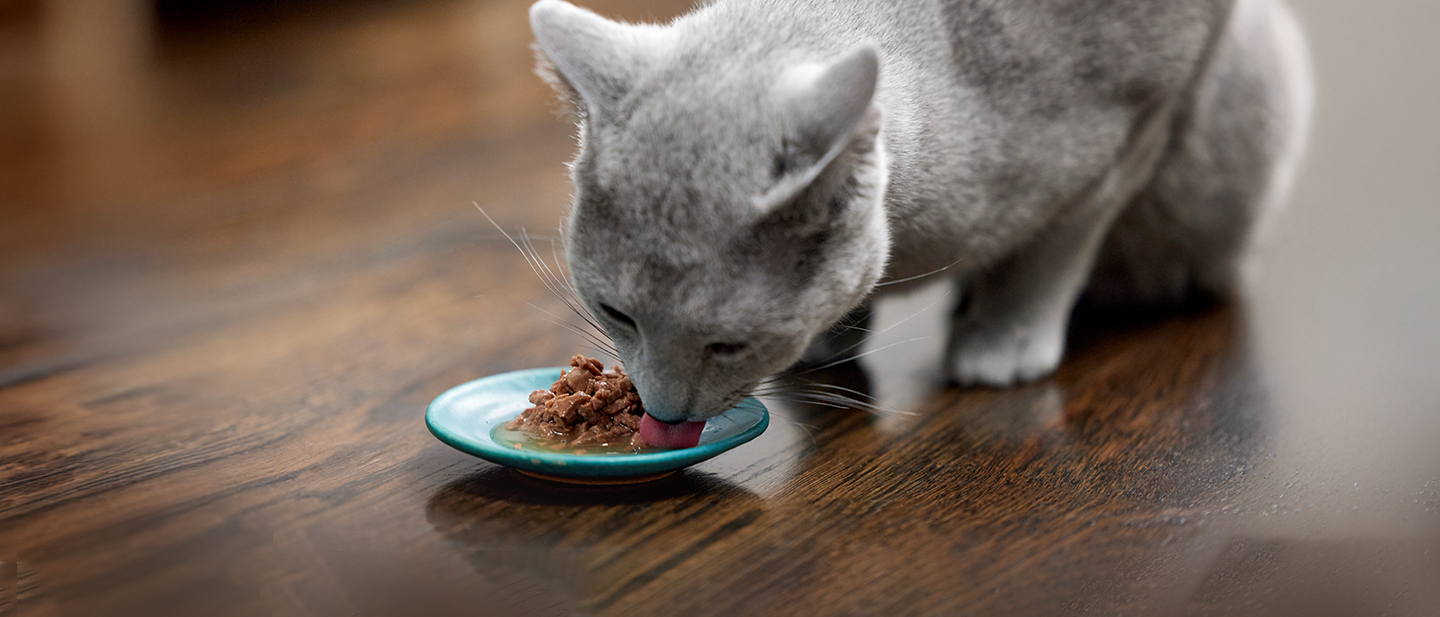
In most cases, cats can safely eat salmon as long as it’s cooked and free of seasonings and bones.
And that’s good news because what cat doesn’t love salmon? Its strong, tempting aroma and savory flavor are highly appealing, and cats intuitively sense that it’s a great source of protein and Omega-3 fatty acids (thanks to their wild instincts!).
Salmon isn’t enough on its own, though. Your cat needs a complete and balanced commercial cat food diet to stay vibrant and healthy, so salmon is best used as an occasional treat. Your cat will thank you!
Table of Contents
Which Forms of Salmon Are Safe for Cats?
Cooked salmon is your best bet when it comes to your cat’s safety. Feeding your cat raw salmon opens them up to the risk of dangerous bacteria and parasites, as well as higher levels of thiaminase enzyme, which destroys the essential vitamin B.
What about canned salmon? It’s high in sodium and sometimes contains unsafe additives. Smoked salmon? It’s also high in salt and seasonings.
The easiest, most efficient way to give your cat the salmon they crave while keeping them safe is to feed them nutritionally balanced cat food formulated with salmon. The chart below offers an easy-to-read breakdown of these salmon choices and their safety.
Just remember: food designed for human consumption doesn’t meet your cat’s dietary needs and can even be harmful to them.
Salmon Source | Safe for Cats? | Notes |
Cat food | Yes | Nutritionally complete and balanced for cats |
Salmon-based cat treats | Yes | Controlled portions; look for real salmon, not flavoring |
Raw salmon | No | Risk of bacteria, parasites, and thiamine destruction |
Canned salmon (human) | No | High sodium; may contain oils, spices, or bones |
Smoked salmon | No | Very high salt content; potentially toxic |
The Health Benefits of Salmon for Cats
It feels great to watch your cat scarf down their food because they love it. But their health and well-being are the most important reasons to choose a particular food.
Here’s a look at the health benefits salmon can provide for your kitty.
Supports Skin and Coat Health
Salmon is full of Omega-3 and Omega-6 fatty acids, which help your cat maintain a shiny, healthy coat. And a healthy coat reduces shedding, which may even cut down on furballs. Salmon also reduces skin irritation, dryness, and flakiness.
Promotes Joint Health
Omega-3 fatty acids serve another health purpose, too. They have anti-inflammatory properties, which means they support mobility and flexibility in senior cats. As a result, your cat may experience less discomfort with issues like arthritis.
Supports Heart Health
The Omega-3 fatty acids found in salmon can also reduce triglyceride levels in your cat’s blood, which helps to manage cardiovascular issues. Including salmon in your cat’s diet supports healthy heart functions and may contribute to maintaining a proper heart rhythm.
Provides Essential Nutrients
Finally, salmon contains several other nutrients vital for your cat’s health:
- High-quality protein, which supports strong muscles
- Vitamin B12, which supports a healthy nervous system and immune functions
- Vitamin D, which aids in eye health and immune responses
- Selenium, which contributes to thyroid function and antioxidant defense, protects your cat’s cellular health
The Health Risks of Feeding Cats Salmon

Remember that the benefits of salmon are only helpful if the fish is cooked and free of seasonings and bones. We briefly mentioned the risks of feeding your cat raw, smoked, or canned salmon above, but let’s talk about them more here.
Bacterial and Parasitic Infections
Harmful bacteria sometimes found in raw salmon, like E. coli and Salmonella, can make your cat very sick. In addition, the parasites present in some raw salmon can cause gastrointestinal illnesses in cats.
Thiamine Deficiency
Cats need enough thiamine (otherwise known as vitamin B1) for healthy nervous system function. And raw salmon may contain thiaminase, an enzyme that destroys thiamine.
Extra thiaminase can cause your cat to have a thiamine deficiency, which might lead to appetite loss, weakness, neurological issues, or even seizures. Complete and balanced salmon-based cat food takes your cat’s thiamine needs into account.
Sodium Toxicity
Both canned and smoked salmon contain high levels of sodium, or salt. Too much salt is unhealthy for your cat. If they eat salt in excess, you may see symptoms like vomiting, diarrhea, excessive thirst, and lethargy.
A severe salt overload can even lead to sodium poisoning, which is dangerous and requires an immediate trip to the veterinarian.
Nutritional Imbalance
While boneless, plain, cooked salmon is great for your cat, it can’t be their entire diet because it lacks some essential nutrients. For example, salmon doesn’t contain enough taurine, which is critical for your cat’s heart health, vision, digestion, and reproduction.
Your cat needs quality cat food to fully meet their nutritional requirements, so salmon shouldn’t exceed more than 10% of your cat’s daily caloric intake.
When Should You Consult a Veterinarian?
As we said above, it’s important to call your veterinarian if you suspect your cat has had an overdose of sodium. You should also get in touch with your veterinarian as soon as possible if your cat is experiencing:
- Vomiting or diarrhea within hours of eating
- Unusual fatigue or lethargy
- Loss of appetite
- Refusal to eat
- Excessive drooling
- Difficulty swallowing
- Unsteady gait, tremors, or coordination problems
These could be signs that your cat needs immediate medical attention.
How to Choose Salmon-Based Cat Food
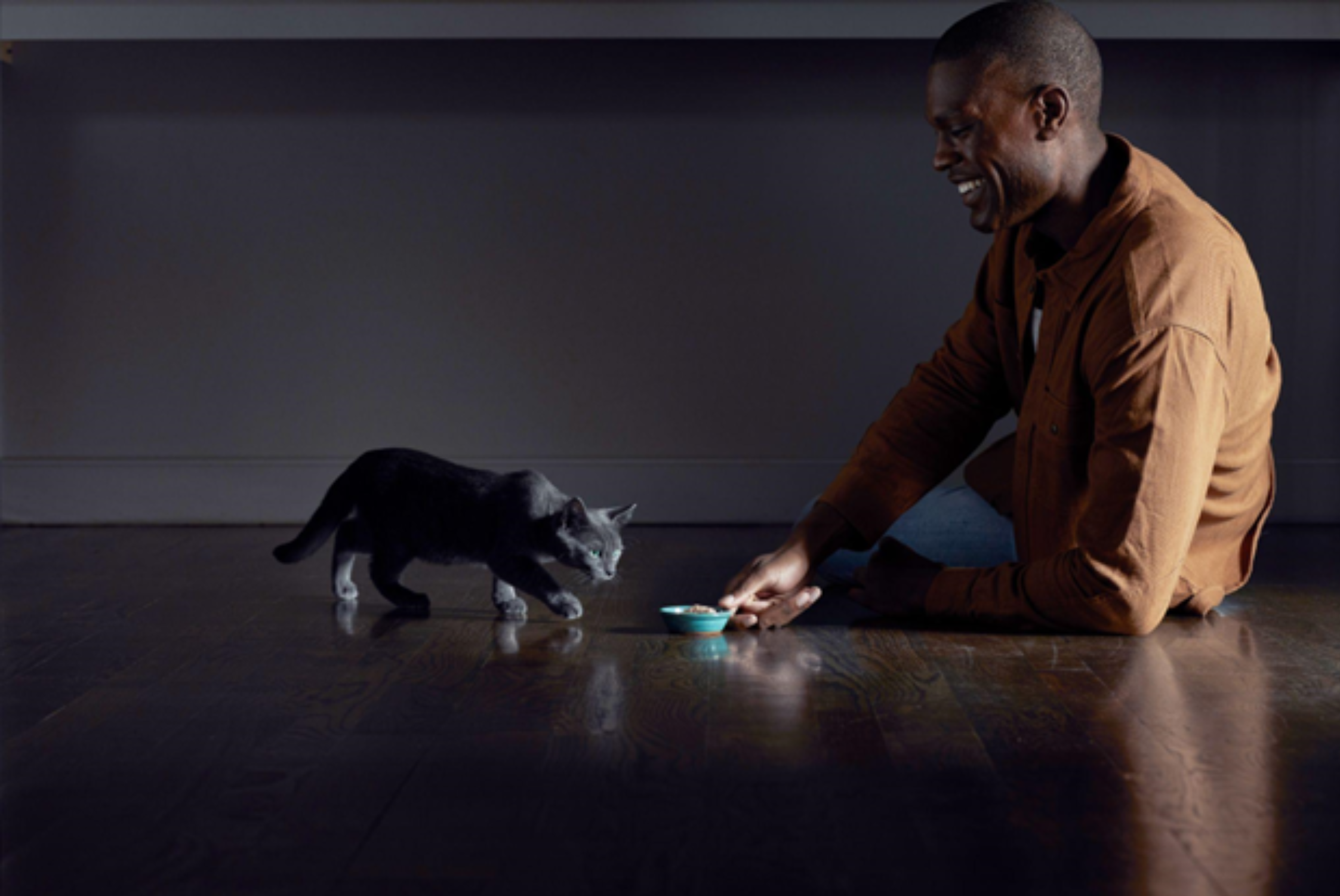
When you’re choosing food for your cat’s daily diet, first look at age guidelines. Is your cat a kitten, adult, or senior? Buy food accordingly. Then, make sure the product you pick is labeled “complete and balanced,” according to the Association of American Feed Control Officials (AAFCO) standards.
And if you want to give your cat a salmon-based food (they’ll certainly love it!), make sure salmon or salmon meal is listed as a primary ingredient.
As always, consult your veterinarian any time you have a question about the best food for your cat based on their specific health needs.
Satisfy Your Cat's Salmon Cravings the Safe Way with SHEBA®
You can give your cat the salmon they love and the balanced nutrition you love when you buy any salmon-based SHEBA® cat food. And you’ve got so many choices!
How does your cat prefer their salmon? Grilled? Try SHEBA® Grilled in Sauce Adult Wet Cat Food with Flaky Salmon in Gravy. In gravy? How about SHEBA® GRAVY INDULGENCE™ Salmon and White Fish Variety Pack?
Maybe they like their salmon pureed. Give SHEBA® Premium Puree with Salmon a go!
Or as a meat stick? Here’s SHEBA® CAT TREATS Meaty Tender Sticks Salmon Flavor.
Explore the wide variety of SHEBA® Salmon Meals and Treats available for your cat. Crafted as complete and balanced nutrition and featuring real, high-quality protein, you can feel good about serving them for breakfast, dinner, and snacks, or any time at all!